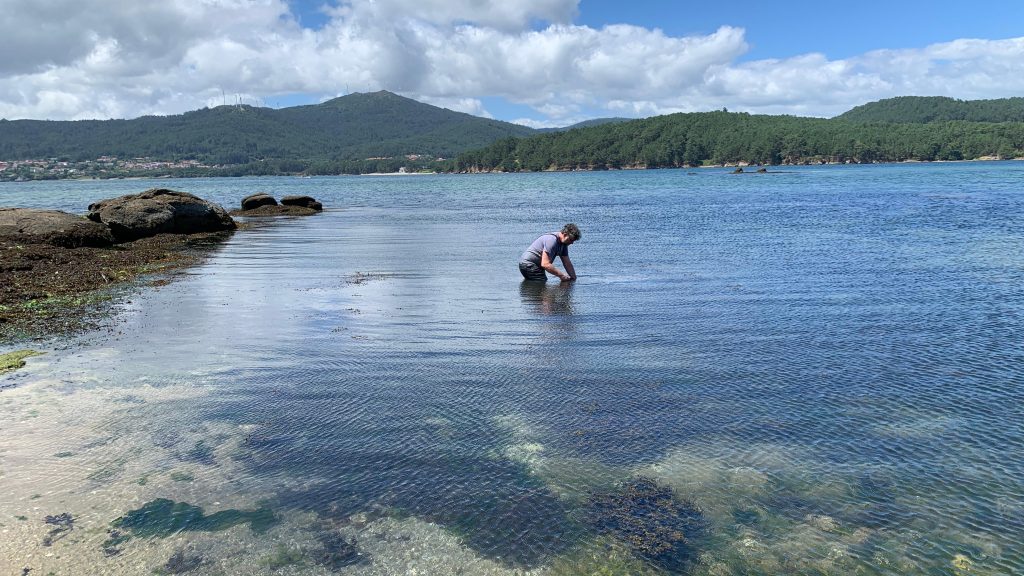
In February 2024, three members of the research team of this project, Teresa, Antón and Jesús had 96 hours of use at the European Synchrotron Radiation Facility (ESRF), in Grenoble. This time was used to scan by synchrotron coupled to X-ray fluorescence analysis the elemental concentrations, with special attention to those of the PTEs, present in the different cell structures of each cell type of the Fucus vesiculosus algae, collected in locations with different levels of contamination. The samples had been subjected to cryofixation, high-pressure freezing and cryosubstitution with osmium tereaoxide, and the results were spectacular! This is the first time that the subcellular localisation of a multitude of chemical elements has been observed for any species of algae. The corresponding work is currently being reviewed by a prestigious international journal for publication and we hope that we will soon be able to publish it on this web.
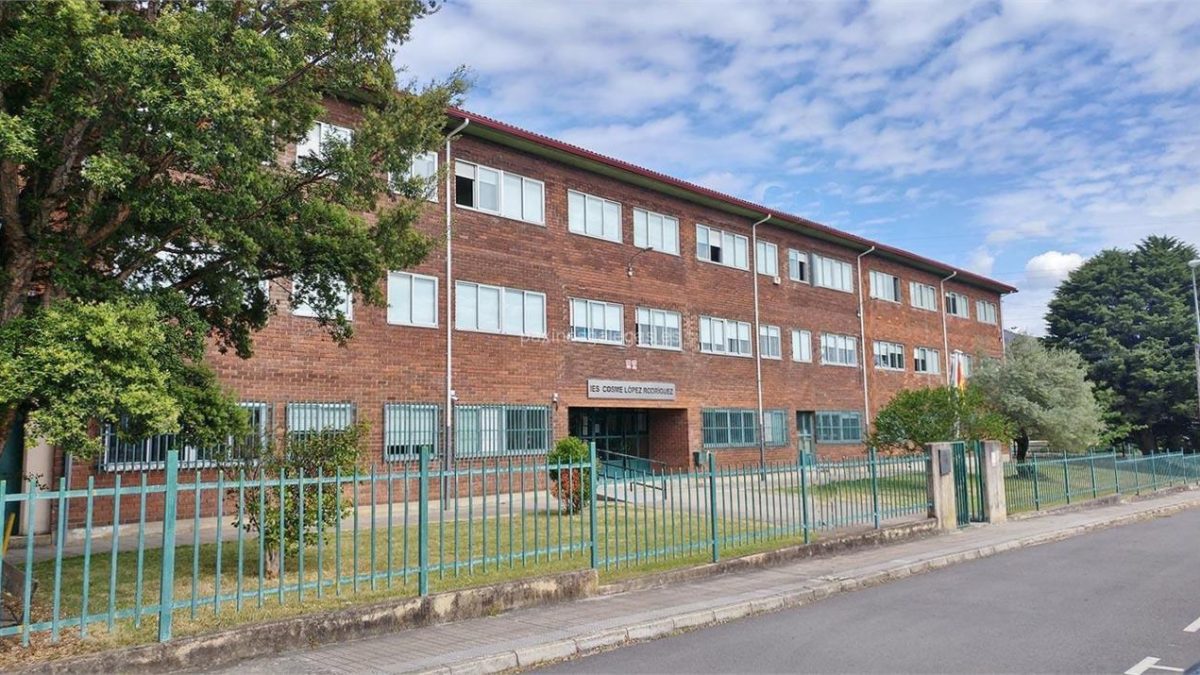
Jesús Aboal, as part of the USC “A Ponte do Ensino Medio” Program (https://www.usc.gal/es/campusterra/ponte-ensino), gave a talk about our research project on Wednesday, November 24th, 2025, […]